How to Keep Your Feet Warm All Winter Long

For the millions of inhabitants that live in the arctic regions, enduring brutal conditions is a way of life. Central to that way of life is the ability to protect oneself against the elements, especially your feet, which are barely separated from the frigid snow & ice.
It’s tough to overstate how important it is to keep your feet warm and dry in wet, frosty conditions. Beyond mere comfort, maintaining foot warmth in extreme conditions is vital to mobility and well-being. It’s against this backdrop that Royal Canadian, with a deep understanding of winter's demands, is committed to delivering the craftsmanship, quality, and innovation to combat winter's icy grip.
Today we’re drawing on decades of cold weather experience to provide a comprehensive guide to keeping your feet warm throughout the winter. Once we’re done here, you’ll be prepared to tackle any icy path with style, comfort, warmth, and confidence!
The Science Behind Cold Feet
The Body's Response to Cold
The human body's response to extreme cold is rooted in survival instinct. When exposed to frigid temperatures, our blood vessels, in a process called vasoconstriction, constrict to conserve core body temperature. A side effect of vasoconstriction is that it diverts blood away from the skin, especially in the extremities, and leaves fingers and toes vulnerable to the effects of the cold.
This is why, in the cold, our feet are the first body part to get cold (and potentially go numb). It’s a survival instinct, sure, but it doesn’t always guarantee survival.
How Cold Affects Your Feet
Foot warmth is not just a matter of comfort. Cold feet can hurt mobility and, if left unchecked, lead to issues like frostbite and trench foot. Frostbite is a severe condition in which skin and underlying tissues freeze, resulting in numbness, pale skin, blistering, and even tissue death. Trench foot, meanwhile, results from prolonged exposure to wet and cold. Trench foot damages blood vessels and nerves in the feet, causing numbness, swelling, and discoloration.
The primary key to steering clear of these issues is maintaining optimal blood circulation, which delivers nutrients and oxygen to tissues and promotes nerve function. The only way to prevent these things from happening is by keeping your feet warm & dry.
Gear Essentials to Keep Your Feet Warm
Winter Boots
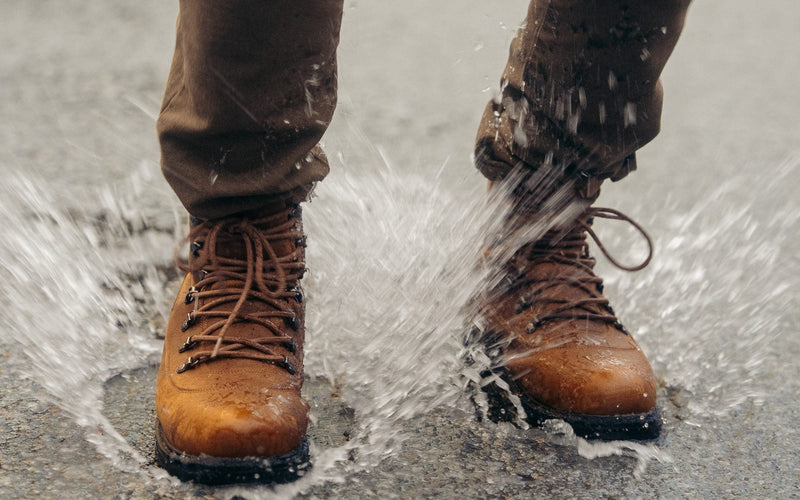
When it comes to braving the winter elements, selecting the right pair of boots makes all the difference. In the harshest of climates, you need a pair of cold weather boots that are waterproof, insulated, and stable enough to handle changing ground conditions.
It’s also important to note that, while all quality winter boots are insulated, not all types of boots or insulation materials are suited to all climates. For instance, one highly-regarded insulator, 3M Thinsulate, offers excellent warmth relative to its thinness, which is why Royal Canadian uses it in its winter boots. PrimaLoft, meanwhile, offers both warmth and water resistance, making it ideal for wetter climates.
After insulation, water resistance and breathability are key elements of winter boots. In the battle to keep warmth in and moisture out, materials like Gore-Tex have put up an impressive fight. With a waterproof and breathable membrane, Gore-Tex provides a reliable defense against both internal and external moisture.
At Royal Canadian, we've taken all these factors into account in designing the best winter footwear. Our collection combines cutting-edge materials for insulation, breathability, durability, water-resistance, comfort, and aesthetics. Whether you’re commuting through slushy city streets or hiking the harsher terrain of the mountains or countryside, our boots will keep your feet warm, dry, and comfortable!
Socks
Once you’ve found the right pair of boots, socks are your second layer of foot protection. Choose the right ones, and you’ll be able to brave the cold for hours on end. Choose the wrong ones, and you’ll be cold the minute you step outside.
Good socks manage moisture within your boots and, like boots, act as a protective barrier between your feet and the elements. Thus, proper fit and material selection are vital. Choose high-quality materials like merino wool to lock in warmth and prevent sweat buildup that causes frostbite.
When layering socks, ensuring a balance between warmth and circulation is key. Start with a thin moisture-wicking liner sock followed by an insulating layer to allow for air circulation. For those in extreme cold, specialty products such as heated insoles and thermal socks offer an added layer of defense. Heated insoles employ a self-heating mineral, tourmaline, to generate controlled warmth and keep the blood properly circulating in your feet. Thermal socks, meanwhile, use advanced insulating materials to envelope your feet in warmth, even during prolonged exposure to cold environments.
The key to staying warm in the winter, as any seasoned Canadian knows, is layers. Your feet are no different; you can’t just wear the right pair of boots or the right pair of socks – you need both. Thus, we recommend pairing our premium winter boots with high-quality insulating socks to ensure the warmth, comfort, and protection against moisture that you need.
How to Increase Blood Flow to Your Feet for Natural Warmth
The temperature in your feet is dependent on blood flow. And the good news is, you can improve your blood flow before ever stepping outside; here’s how:
- Eat a balanced diet rich in nutrients like vitamin C and omega-3 fatty acids
- Stay hydrated
- Avoid (or at least limit) smoking and excessive alcohol and caffeine consumption
- Ensure that your feet are properly moisturized, as dry, cracking skin is more susceptible to frostbite
- Exercise regularly; During the winter, this should include doing simple exercises like ankle circles, calf raises, or jumping jacks prior to going outside.
And, of course, it pays to prioritize high-quality cold weather boots and socks that keep your feet warm and dry without constricting circulation.
Our Recommendations: Top Canadian Boot Brands for Winter
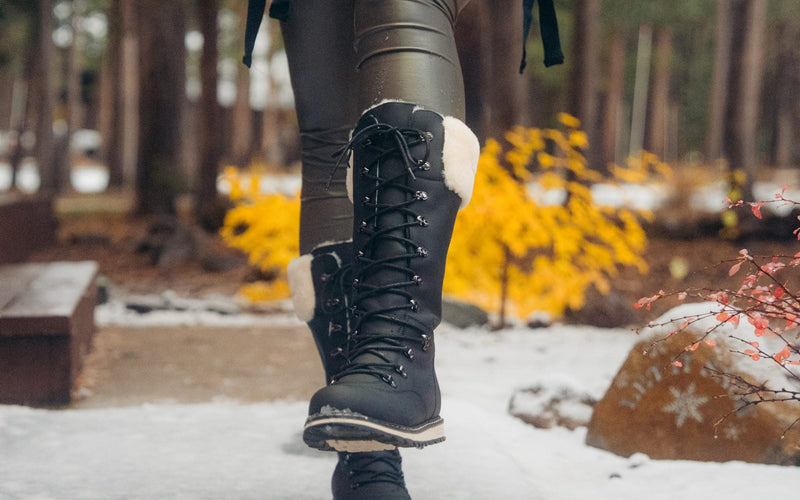
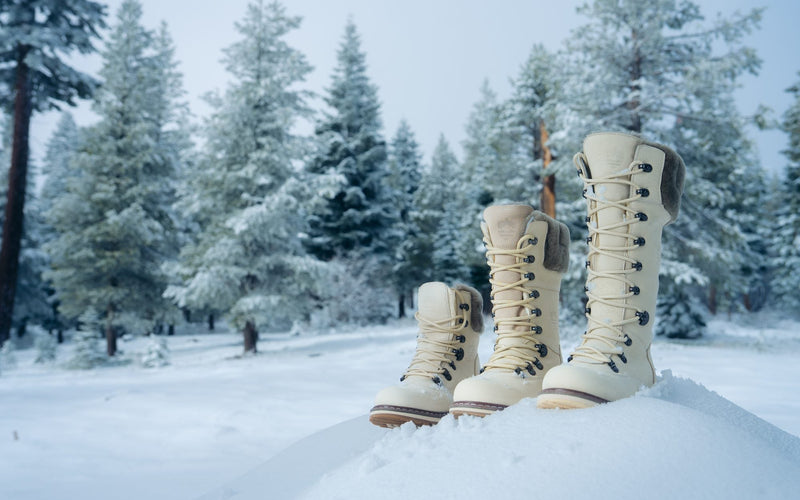
When it comes to conquering a harsh winter, few brands can match Royal Canadian’s commitment to innovation and quality. Both our women's and men’s Waterproof -30° collections (KING: -20°C / -4°F) feature high-quality waterproof leather, waterproof breathable membranes, merino wool memory foam insoles and Razor Lug rubber outsoles, with genuine shearling collars on CAMBRIDGE, CASTLEGAR and DALHOUSIE.
This commitment allows our boots to deliver unrivaled warmth, durability, water resistance, breathability, and style. But don’t take our word for it!
One satisfied customer, Cindy, finds her Royal Canadian boots are “so warm and comfortable for long hikes.”
Vanna, who’s “had these boots for years” raved about them as her top choice for warmth, comfort, and style in the Colorado snow.
Meanwhile, Colette S., who once had to buy new winter boots “almost every year” is looking ahead to a sixth winter with her Royal Canadian boots. Citing their warmth, comfort, memory foam insoles, and the fact that they “still look almost new,” she declared the Castlegar Black Lager Waterproof -30° her “best investment in winter boots ever.”
With a reputation for quality and durability, this beacon of Canadian craftsmanship will make sure that your feet stay warm, comfortable, stylish, and well-protected even in the most frigid of climates.
As autumn gives way to winter, especially in regions with arctic or polar climates, remember that warm feet aren't just a luxury – they're a necessity for your well-being. As the need grows to protect one’s feet from extreme cold and unwanted moisture, your choices in winter footwear (boots and socks) take center stage.